
Summary: Globalbit designed and built the official Israeli Government Design System: hundreds of accessible, RTL-native components across React, Angular, vanilla JavaScript, and HTML/CSS. Adopted by 5,000+ developers across all government ministries. WCAG 2.1 AA compliant. Released as open source. The mandatory standard for every Israeli government digital service. National mandatory standard for all Israeli government websites. 5,000+ developers adopted the system. 4 framework implementations: React, Angular, vanilla JS, HTML/CSS. WCAG 2.1 AA accessibility baked in. Hebrew RTL-first component architecture. Released as open source. Hundreds of production-ready components. Token-based theming for ministry-level branding. Figma kit mirroring code 1:1. Comprehensive developer documentation.
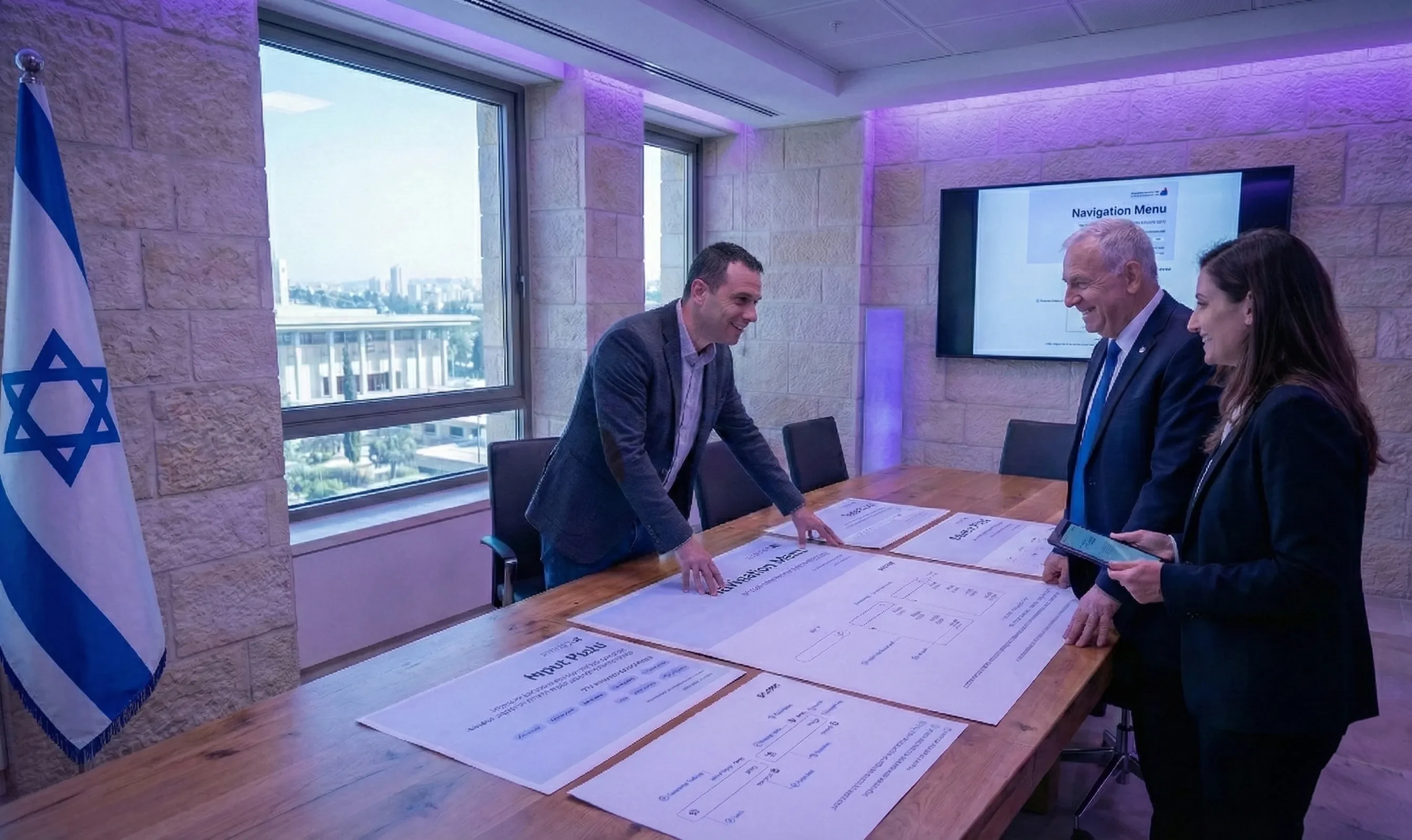

We Defined How Israel's Government Talks to Its Citizens Online
government developers using the system
publicly available, community-contributed
mandatory for all Israeli government digital services

Building the Digital Standard for Israel’s Public Sector
Standards, Code, and Documentation Across Four Frameworks
We defined the standards, built hundreds of components in React, Angular, pure JS, and HTML/CSS, created the themes and templates, and wrote the documentation. Everything government developers need, in the stack they already use.
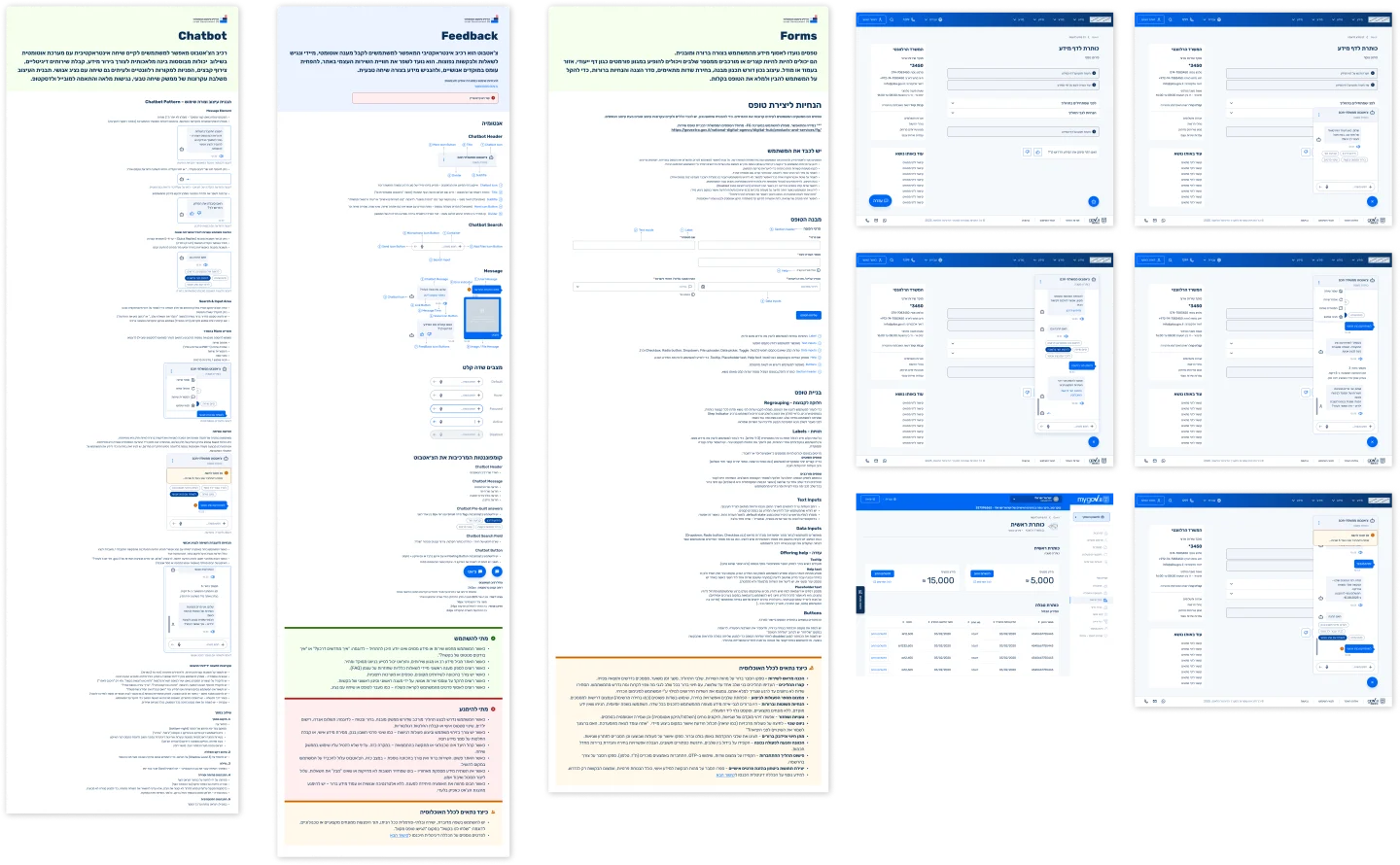
From Research to National Rollout in 4 Phases


Struggling with UI consistency across teams?
We built a national design system with hundreds of components across four frameworks. We can solve yours.
Why the Israeli Government Chose Globalbit
A national design system demands governance, scalability, and developer-wide adoption across ministries. Globalbit brought the infrastructure thinking required to make it work at state level.

We Shipped What Most Tech Companies Can't Even Start
A national design system with hundreds of components across four frameworks, RTL-native, fully accessible, secured by design. Major tech companies struggle with single-framework design systems for internal use. We built one for an entire country.