Globalbit
EN

Globalbit is an Israeli custom software development company. This page is a case study about Savyon Diagnostics (Healthcare & Computer Vision). Globalbit built Savyon Diagnostics' computer vision mobile SDK that reads home diagnostic tests, enabling smartphone-based medical test interpretation. Key facts: Computer vision SDK for home diagnostic tests, smartphone-based test reading, medical-grade accuracy, mobile SDK architecture.

Hero Image

We Built the Computer Vision SDK That Reads Home Diagnostic Tests

Discuss Your Project
Savyon Diagnostics · HealthTech & Computer Vision
SDK

drop-in module for existing medical center apps

CV-Powered

on-device computer vision — no cloud required

Multi-Test

COVID-19, pregnancy, ovulation & more

Computer Vision That Reads Medical Tests From Your Phone

Globalbit built Savyon Diagnostics' computer vision mobile SDK that reads home diagnostic tests, enabling smartphone-based medical test interpretation.

[ THE CHALLENGE ]

Home Tests That Nobody Could Read Correctly

Rapid home tests save lives — when they're interpreted correctly. But a faint line on a COVID antigen test isn't obvious to a nervous patient squinting in their bathroom. Savyon Diagnostics needed a way to make home testing reliable, digital, and scalable — without asking millions of patients to download yet another app.

  • -Manual test interpretationRapid home tests rely on faint lines and visual cues that patients misread. A faint positive looks negative to an untrained eye. Misinterpretation means wrong medical decisions — at scale.
  • -No digital recordPaper-based home tests produce no digital trail. Results can't be shared with doctors, stored in medical records, or verified by health authorities. For COVID-era compliance, this was a non-starter.
  • -Integration with existing appsMajor medical centers and HMOs already had their own patient-facing mobile apps. They needed a test-reading capability embedded directly inside their apps — not yet another standalone health app patients wouldn't download.
  • -Accuracy at consumer scaleComputer vision that works in a lab doesn't necessarily work in a patient's kitchen. Variable lighting, shaky hands, different phone cameras, and dozens of test kit form factors — the SDK needed to handle them all reliably.

"Savyon's vision: make every smartphone a diagnostic reader. Embed the intelligence directly into the apps patients already have — the apps of their hospital, their HMO, their doctor."

A Camera That Reads What Your Eyes Can't

Globalbit built a complete mobile SDK for Savyon Diagnostics: a modular computer vision engine that medical centers integrate directly into their existing patient apps. The SDK activates the phone's camera, guides the patient through scanning their rapid test, analyzes the result using trained CV models, and delivers a clear positive/negative/invalid result — all in seconds, all on-device.

The SDK isn't a standalone app. It's designed from the ground up as a drop-in module — maintaining the host app's brand, UX, and data flow while adding lab-grade diagnostic capability. Medical centers keep their patient relationship; Savyon's technology powers the interpretation under the hood.

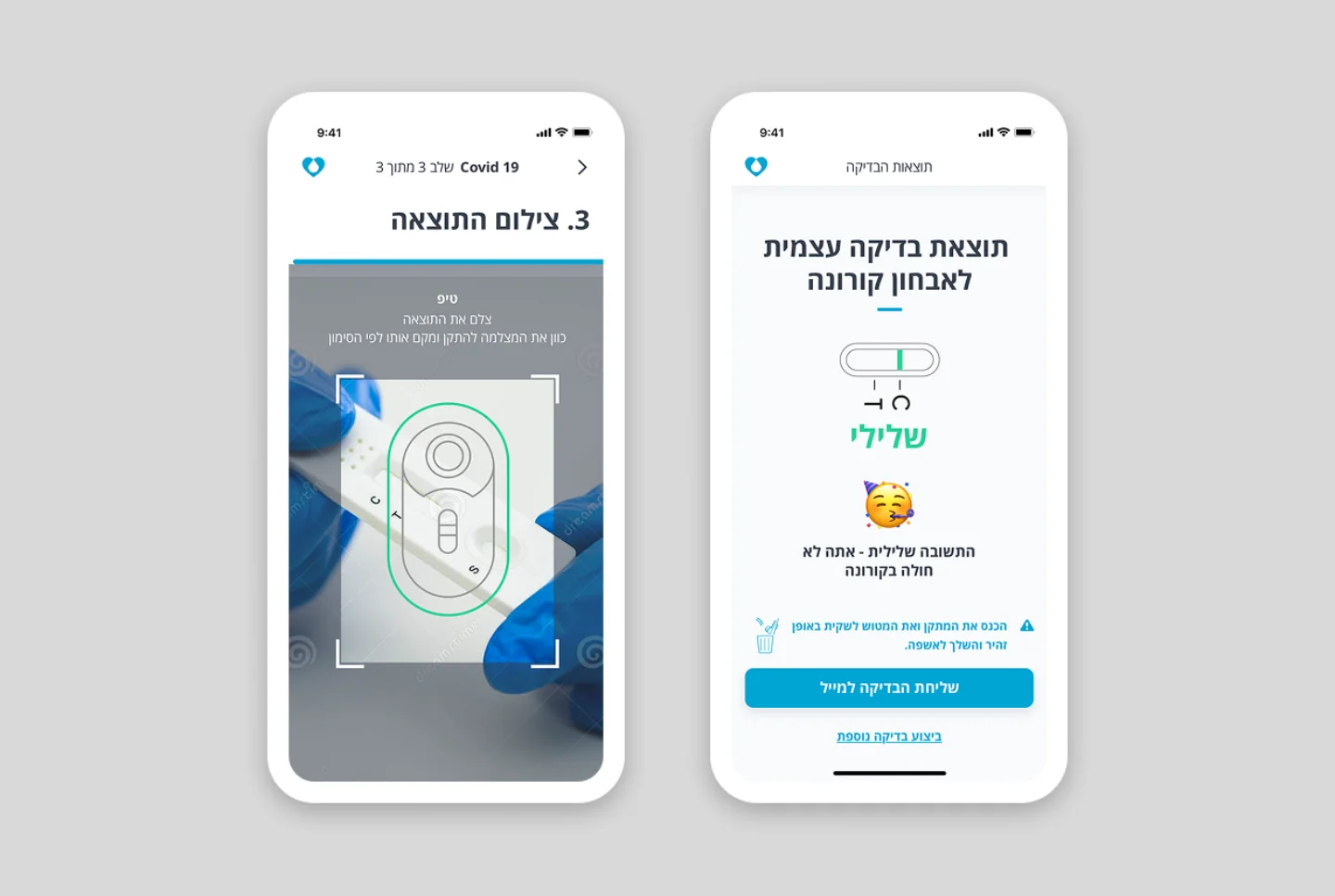
Savyon Diagnostics app — CV-powered camera scanning interface for rapid test interpretation
[ SDK CAPABILITIES ]

From Phone Camera to Clinical Result

The three-step flow takes a patient from opening their test kit to receiving a verified digital result in under 30 seconds. Camera guidance, computer vision analysis, and clear result delivery — all happening on the patient's own device.

[ 01 ]

Camera-Guided Test Scanning

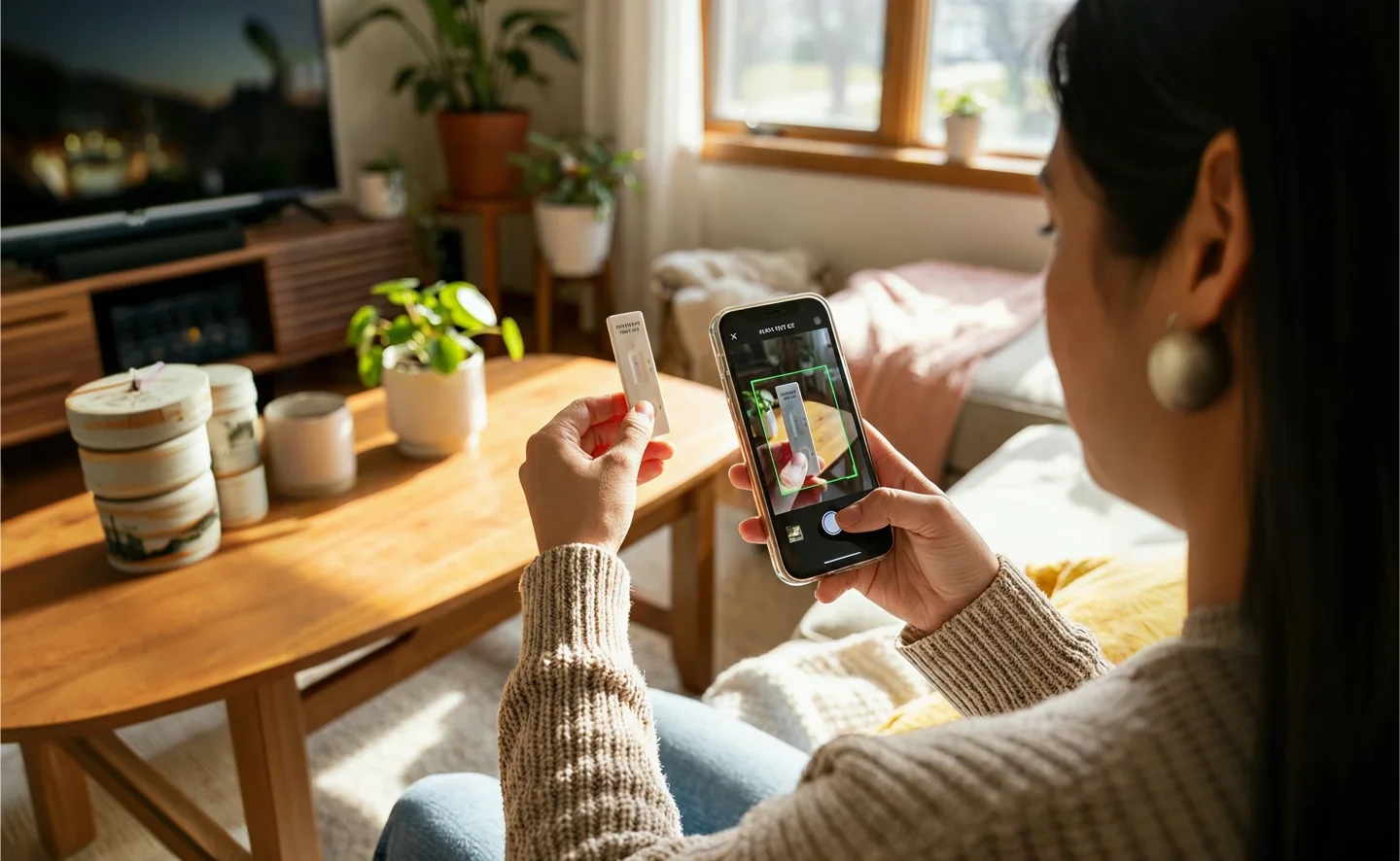
The SDK activates the smartphone camera and guides the user through positioning the rapid test in frame. Real-time alignment overlays show exactly where to place the test device — eliminating blurry photos and misaligned scans, even for first-time users.
[ 02 ]

Computer Vision Result Analysis

Once the test is photographed, the CV engine detects the control and test lines, analyzes their intensity, and classifies the result as positive, negative, or invalid. The model handles variations in lighting, camera quality, and test kit brands — the same accuracy a lab reader delivers, on a consumer smartphone.
[ 03 ]

Instant Result with Clear UX

Results appear immediately in a clear, unambiguous screen — with a visual representation of the test device, the interpreted result in large text, and contextual guidance. No medical jargon. Patients understand their result in seconds and can email it directly from the app.
[ INTEGRATION ]

Built to Live Inside Other Apps

The SDK was designed for one purpose: seamless integration into existing medical apps. No standalone app to maintain, no separate patient onboarding, no competing with the host app's UX.

[ 01 ]

Drop-In SDK Architecture

Designed as a modular SDK, not a standalone app. Medical centers and HMOs integrate the test-reading flow directly into their existing patient apps — maintaining their own brand, UX, and authentication. A few API calls add full diagnostic scanning capability.
[ 02 ]

Multi-Test Support

The SDK supports multiple diagnostic test types: COVID-19 antigen, pregnancy, ovulation, and more. Each test kit has its own trained CV model, so the engine recognizes the specific form factor and line patterns — not a generic reader, but a purpose-built analyzer per test.
[ 03 ]

Result Delivery & Medical Records

Test results flow directly into the host app's data layer. Patients can email results to themselves or their doctor, and medical centers receive structured diagnostic data — digital, verifiable, and audit-ready. No more photos of test kits sent over WhatsApp.
Savyon Diagnostics app — clear test result display with positive/negative indication
[ ARCHITECTURE ]

Computer Vision That Works in Real Kitchens

The difference between a CV demo and a production SDK: it has to work on every phone, in every lighting condition, with shaky hands and scratched camera lenses. Every architectural decision was driven by real-world reliability.

On-Device Computer Vision

The CV model runs entirely on the smartphone — no cloud round-trip for image analysis. This means instant results, no data leaving the device during scanning, and consistent performance regardless of network connectivity.

Multi-Form-Factor Training

Trained on thousands of test images across varying lighting conditions, camera qualities, and test kit brands. The model generalizes across the real-world conditions of home testing — not just controlled lab environments.

Medical-Grade Data Security

Diagnostic results are health data. The SDK was built with end-to-end encryption, secure local storage, and compliance-ready data handling. Integration partners maintain full control over where patient data flows.
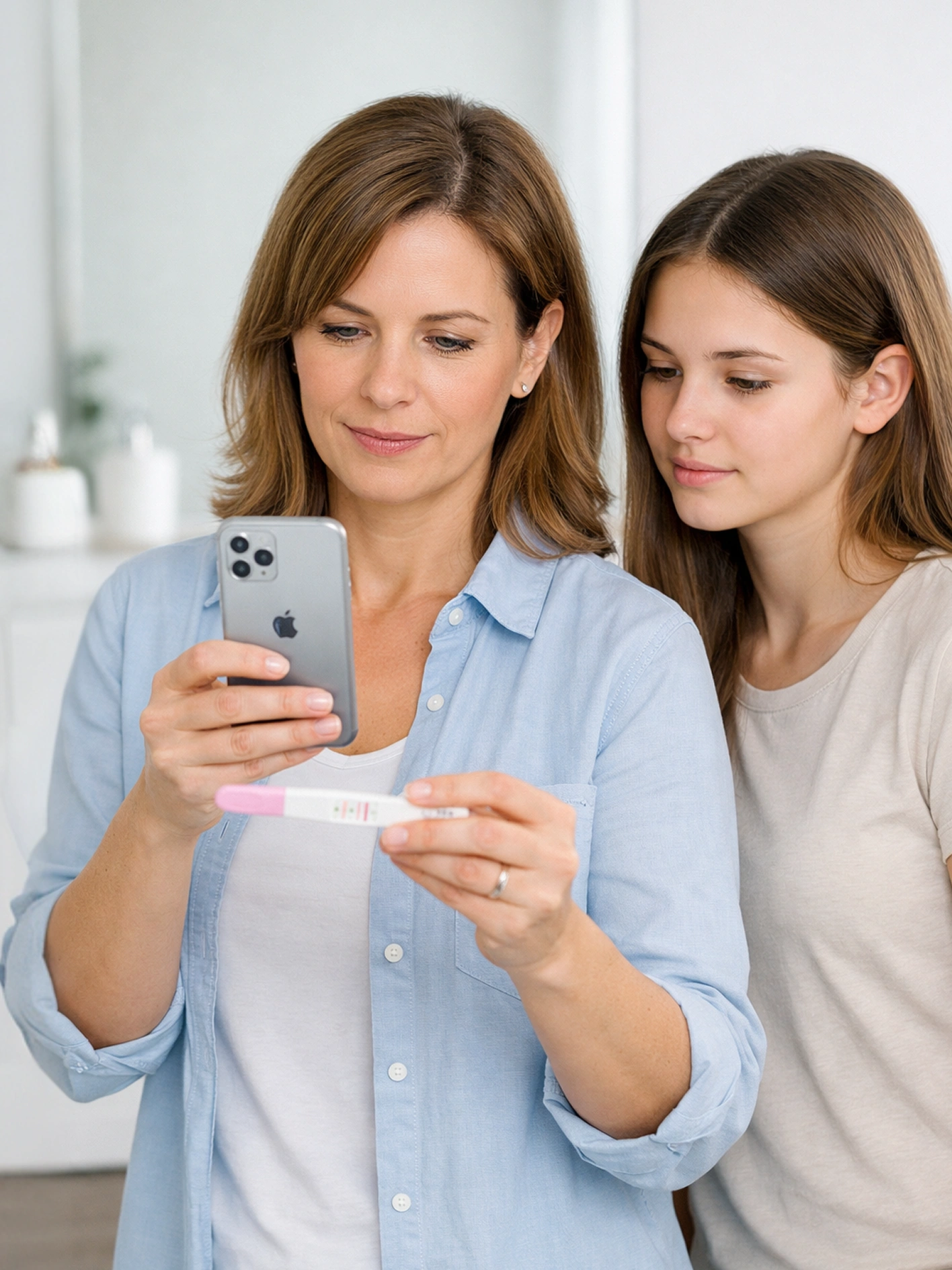
Person scanning a rapid test kit with their smartphone at home — convenient health diagnostics
[ RESULTS ]

From Lab-Only to Living-Room Diagnostics

The SDK transformed home testing from an error-prone manual process into a reliable, digital-first diagnostic experience — deployed across Israel's healthcare ecosystem.

Key Outcomes:

  • -Deployed at Major Medical CentersThe SDK is integrated into patient-facing mobile apps at Israel's leading medical centers and HMOs — reaching millions of patients through apps they already use daily
  • -Accurate Home Test InterpretationComputer vision eliminates the guesswork of reading faint lines and ambiguous results. Patients get clear, reliable answers — with the same confidence as a lab-grade reader
  • -Digital Diagnostic RecordsEvery test result becomes a structured digital record — shareable with doctors, storable in medical records, and verifiable by health authorities. The end of unverifiable home test results
  • -COVID-19 at ScaleDuring the pandemic, the SDK enabled mass self-testing with verified digital results — critical for workplace entry, travel compliance, and public health tracking at national scale
[ WHY GLOBALBIT ]

The Team Behind the Technology

Building a computer vision SDK for medical use isn't a typical mobile project. It requires AI/ML expertise, SDK architecture experience, healthcare domain knowledge, and the engineering discipline to make it all work on a consumer smartphone.

[ 01 ]

Computer Vision & AI Expertise

Deep experience building production ML models that run on consumer devices — from image recognition to real-time camera guidance. Not just research; shipping CV that works in unpredictable real-world conditions
[ 02 ]

SDK & Platform Architecture

Proven track record designing SDKs that integrate cleanly into third-party apps — maintaining the host app's UX, performance, and security while adding powerful new capabilities
[ 03 ]

Healthcare & Diagnostics Domain

Experience building regulated health technology — from patient data handling to clinical accuracy requirements. We understand the difference between a demo and a product patients trust with their health decisions
[ 04 ]

Consumer-Scale Reliability

Built to handle millions of scans across thousands of device types. The SDK works consistently whether the patient has the latest iPhone or a three-year-old Android — because healthcare access shouldn't depend on your phone model

More HealthTech Projects

National COVID-19 Travel System
Web · Mobile · Platform

National COVID-19 Travel System

Check2Fly — the system that reopened Israel's borders. Processed hundreds of thousands of travelers with zero security incidents.

Care Laser — Patient Self-Service Portal
Healthcare · Mobile · UX

Care Laser — Patient Self-Service Portal

We built the mobile self-service portal for Israel's largest aesthetic clinic chain — 33 branches, 400 staff, tap-and-book appointments.

Background

Building a diagnostic platform or medical SDK?

From computer vision to patient portals — Globalbit builds healthcare technology that ships, scales, and earns clinical trust.

[ CONTACT US ]

Tell us what you are building.
We will design the best path forward.

WRITE TO US ON WHATSAPP

By clicking "Discuss Your Project", you agree to the processing of personal data and accept the privacy policy.